Is “I Wish I Were” or “I Wish I Was” Correct? When wishing upon a star, is it “I wish I were” or “I wish I was”? This tricky conundrum comes down to the subjunctive mood, and it’s pretty easy to figure out when you understand the grammar rule behind it.
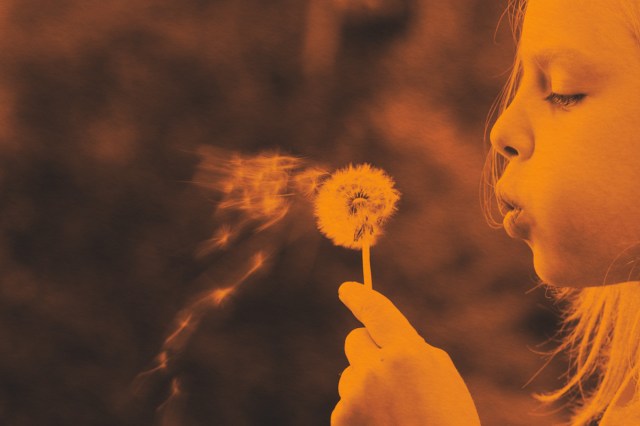
If you’ve ever pondered this question, allow us to introduce you to the subjunctive. This verb form is used for potential and hypothetical situations, including when wishing for something that doesn’t exist yet. In these wishful contexts, “were” is the past-tense conjugation of “to be” you’re looking for. Example: “I wish I were covered in kittens” is correct because it’s referring to something that hasn’t actually happened — and, alas, may never happen.
If and when such a situation should come to pass, however, “was” is correct when mentioning it. “I was the happiest person in the world when I was covered in kittens” is the proper phrasing because it’s referring to something that happened rather than a hypothetical situation. For a mnemonic, when something “has” happened, the matching verb is “was.”
Learning the subjunctive comes with a downside: realizing how often it’s misused, including in songs, movies, and other pop culture. Singing along to Skee-Lo’s “I Wish” is ever-so-slightly less enjoyable once you’re aware that the lyric should be “I wish I were a little bit taller,” but it’s a catchy tune nevertheless. At least we can take solace in the fact that Pink Floyd never sang, “How I wish, how I wish you was here.”



Comments
Post a Comment